Tuesday, June 13, 2017

Required Reading for Bogotá Breathers

'Dying for a breath of Bogotá Air', from The City Paper
Steve Hide's interesting piece on Bogotá's perpetual air pollution crisis in the June The City Paper gives a good illustration of Bogotá's impotent air quality enforcement. (Unfortunately, I couldn't find the article online.)

Too tough for environmental officials to identify?
A 'green' bus belches its way along Carrera 10.
My favorite part - for ironical reasons - is the quote from the Bogotá Environmental Secretariat official, who complains that "citizens don't know how to denounce" dirty vehicles, to the government's hotline. That's probably true, but it begs the question of why city environmental officials rely on the public instead of doing their job by stopping and fining these 'rolling smokestacks.'

Hide writes that in Quito, Ecuador he saw environmental officials testing buses' emissions. In my 13 years residence in Bogota, which has included countless hours pedaling the city's streets and avenues, I have not even once seen officials testing a bus's emissions.

Bogotá's air pollution is slow motion murder committed in everybody's plain site, every single day.

An exhaust pipe near Palo Quemao.
A woman gets blown away by a TransMilenio bus, icon of Bogotá.
By Mike Ceaser, of Bogotá Bike Tours

Monday, June 12, 2017

Equal Opportunity Evil

A family's memorial to their daughter, who, along with her boyfriend, was murdered, chopped to pieces and thrown into a river by paramilitaries.
A few of the disappeared, who number in the tens of thousands.
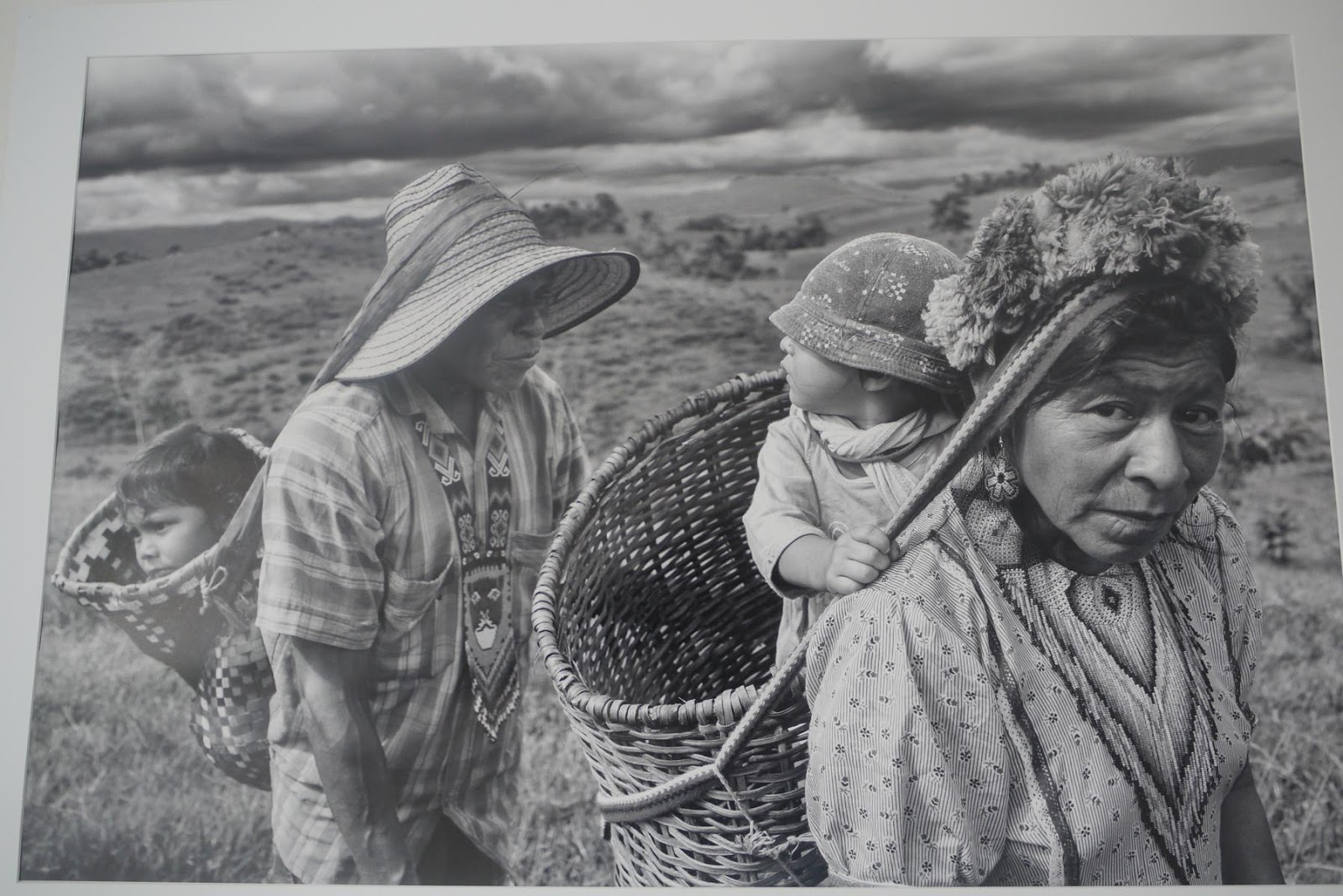
A photo exhibition on now in the Centro de Memoria on Calle 26 beside the Central Cemetery makes a simple point: In Colombia's long conflict, there are no good guys. The leftist guerrillas, right-wing paramilitaries and even the government forces have all committed terrible crimes.

The victims of all sides, and the only good guys, are Colombia's civilians. Kidnapped, 'disappeared' and driven out of their homes and off their land, civilians have been attacked by groups which often claim to be defending them.
Displaced Embera indigenous people.

Today, the FARC guerrillas, Colombia's oldest and largest guerrilla group, are turning in their weapons and demobilizing. However, where the FARC go away, other illegal groups try to move in to take over the guerrillas' drug trafficking, extortion and illegal mining businesses.


Displaced Emberá Chamí indigenous people.

The Centro de Memoria, off of Calle 26 near the Central Cemetery.

Sadly, the Centro de Memory, including its exhibitions, is usually vacant.


Female guerrillas. Young people in parts of rural Colombia may join illegal groups because they know no other authority.
Girls and women in guerrilla groups may be exploited sexually and forced to have abortions.

Indigenous guards, who have struggled to exclude other armed groups from their territories.

Burying a pregnant woman, apparently murdered with government collaboration.
By Mike Ceaser, of Bogotá Bike Tours

Saturday, June 10, 2017

Painting La Candelaria


Polka-Doting Carrera 3.
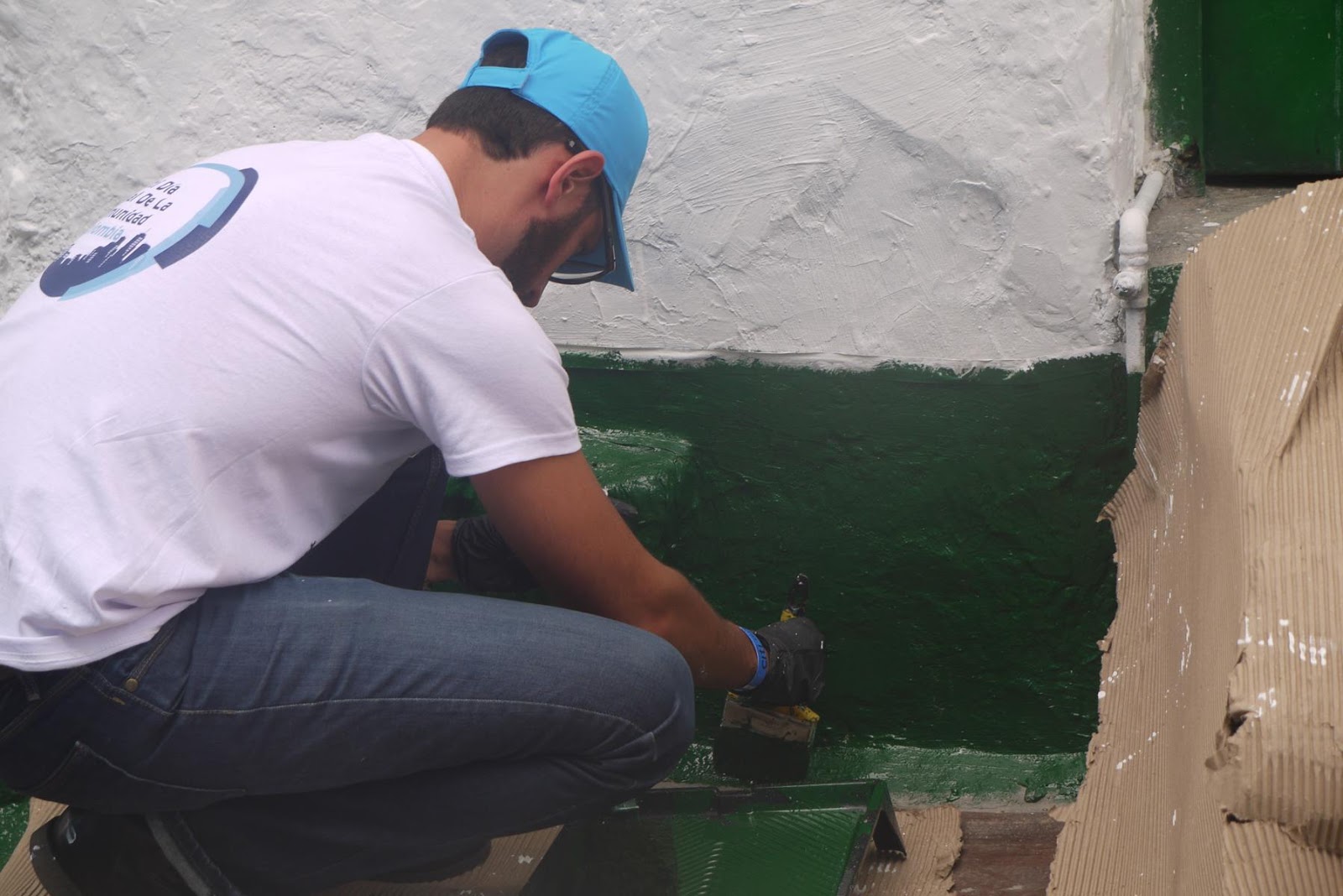
Today, the city organized a painting festival of some of La Candelaria's older homes, made ugly by neglect and graffiti. Hundreds of volunteers turned out, in what was a sort of street party.

Now, how long will the clean new walls last?
Painting a house.

Sponsored by Citibank!

'Please don't paint this wall.' 

Before the painting, many walls looked like this.

Many houses were graffitied.


A street packed with painters


These kids painted more than the walls.
A graffitied wall in the La Concordia neighborhood.


Painting an historic home.


Mayor Enrique Peñalosa, who is fighting a recall effort, showed up.

Piano playing in the street.


Cleaning up.
By Mike Ceaser, of Bogotá Bike Tours

Thursday, June 8, 2017

A Combustible Concept: Stop Subsidizing Fuel Prices

A traffic jam shuts down Calle 26. Would charging the real price for gasoline and diesel
reduce congestion and clean up the air?
The idea seemed sensible enough: Create a fund to stabilize gasoline and diesel prices. When international prices were low, Colombian prices would be raised, contributing to the fund. When prices rose, money would be withdrawn from the fund to reduce the price at the pump.

That was the idea. But in practice, the fund has been used mostly to stabilize prices downward, to buy voters and pacify strike-prone truckers.

EcoPetror: Not so green, and
maybe someday bankrupt, too.
However, the fuel subsidy is costing EcoPetrol a trillion pesos per year, threatening its economic health. And, such subsidies disproporionately benefit the wealth and businesses, who consume much more gasoline than do poor people. They also increase air pollution and violate Colombia's promises in the Paris anti-climate change agreement.

Colombia's Controlaria recommends freeing up gasoline prices. Colombia doesn't subsidize books, apples or clothing - so, why vehicle fuels?

I just talked to a schoolteacher from Medellin who had come to Bogotá to participate in the protest marches. She told me that public school teachers often must reach into their own pockets to purchase cleaning supplies for the school and even food for the children.

"That's the government's responsibility, and they've got plenty of money to throw around," she said, accusing government officials of corruption.

The government has offered teachers only a 2,000 peso-per-month raise, she added.

Certainly, the billions of dollars thrown away on fuel subsidies could have gone a long way toward helping public school students.

'No resources for teachers,' says Santos - except maybe those millions and millions wasted subsidizing gasoline.
By Mike Ceaser, of Bogotá Bike Tours

Tuesday, June 6, 2017

Rebellion of the Rice Farmers


'The farmer's crimes: Protecting food security; Creating honest and dignified employment.'
Central Bogotá was shut down today by multiple protests, all of which intersected in the Plaza Bolivar. Among them were college students, schoolteachers, phone company unionists, and rice farmers. The farmers, who rallied in front of the Ministry of Agriculture, complain about low prices, high transportation costs, and rice imports, some of them illegal contraband.

'Colombia plants or Colombia goes bankrupt.'


Sacks of rice and spilled rice symbolize the harvest's low value.


Student marchers demand peace and funding for education.
Meanwhile, while parts of Bogotá had huge traffic jams, normally congested streets and avenues in the center were wonderfully empty of traffic, noise and pollution.

Carrera 10, for once empty of cars.
Calle 13, vacant as well.
Meanwhile, a clear view of the Eastern Hills thru unusually clean air.
By Mike Ceaser, of Bogotá Bike Tours