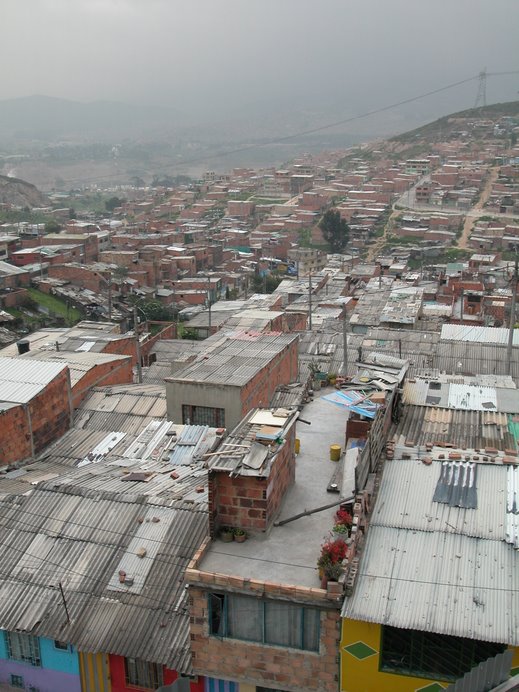
As a sort of unintential counterpoint to
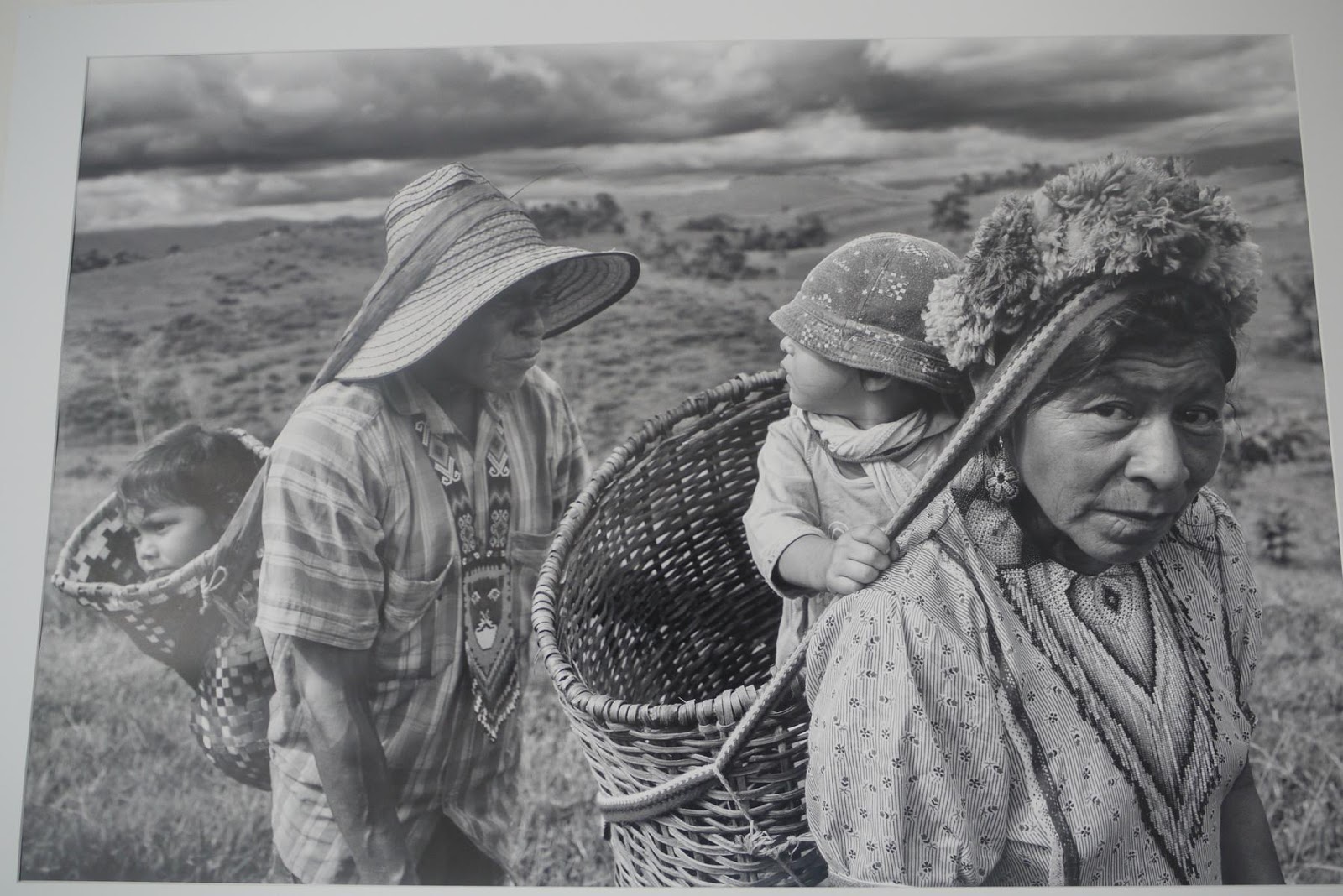
Carlos Castaño's human rights exhibition criticizing the government, right across the street I met Mariana, who was begging with a sign telling her story of being displaced from her farm in Forencia, Caqueta.

Castaño condemns Colombia's government and right-wing paramilitaries for its human rights violations and lets the leftist guerrillas off scott-free. That's not surprising, since Castaño's was a guerrilla himself.
But Mariana's story, which is all too common, gives a different and more complex perspective. Mariana said that a few weeks ago her family were campesino farmers living happily enough in Florencia, in Caqueta Department.
But the region was used for growing coca leaf, the base ingredient for cocaine, and various illegal groups fought over it, Mariana said. And they wanted the peasants driven out, she said.

One day without warning, she said, a guerrilla group burned the family's house. Soon after, she said, her oldest son, 24, was murdered by paramilitaries. And after that, the family recieved anonymous threatening notes pushed under their front door. She and her four children fled to Bogotá, where they are seeking government help.
It was impossible for me to be certain that Mariana's story is true, altho she sounded honest enough and gave a detailed, realistic account. But, true or not, her story is typical of the tragedies which continue happening in Colombia's countryside, with little notice from the majority of the people. Her story also shows the complexity of Colombia's conflict, in which there's blame enough for leftists and rightists.
And, sadly, as long as drugs are prohibited, violent groups like these will keep profiting from them, and victimizing people like Mariana.
By Mike Ceaser, of
Bogotá Bike Tours




 Posts
Posts